
10 Italian Wine Regions You Should Know (And Taste in Copenhagen)
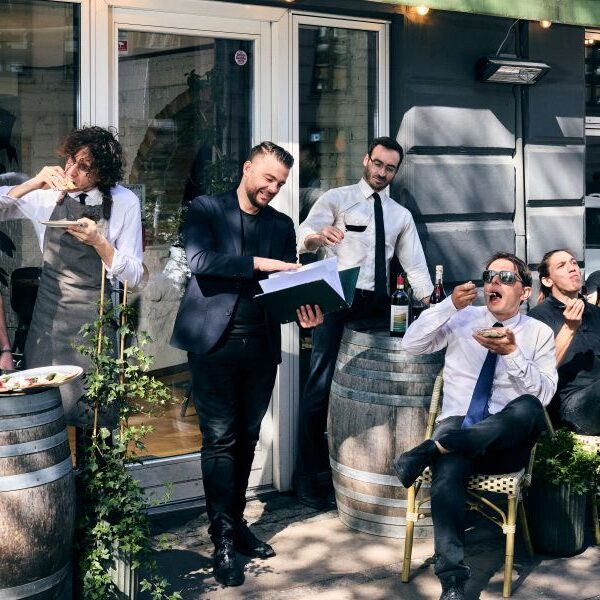
Italy has twenty wine regions. Every single one of them makes wine. That is not an exaggeration, it is a genuine fact that surprises people the first time they hear it. From the Alps in the north to the islands in the south, there is not a single corner of Italy where somebody is not […]
Which Wine Pairs With Roman Style Pizza? A Sommelier’s Guide
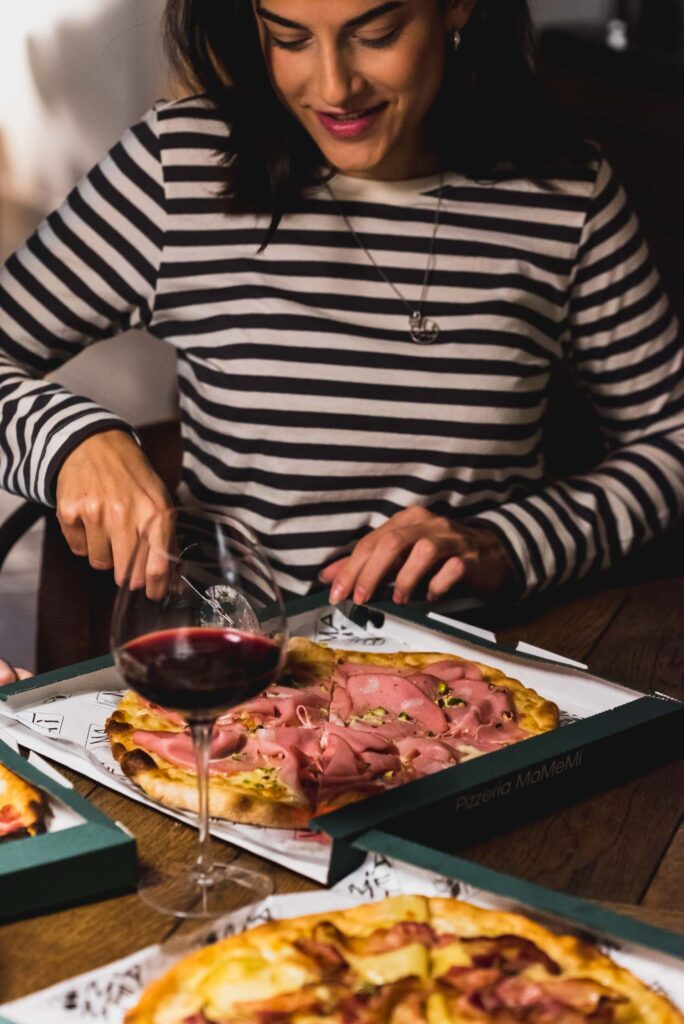
I asked Danilo to write this one with me, because pairing wine with pizza is his territory and he has strong opinions about it. The first thing he wanted me to say is this. Pizza is not one thing. You cannot answer the question “what wine goes with pizza” any more than you can answer […]
Italian Natural Wine: A Beginner’s Guide to Biodynamic Wines
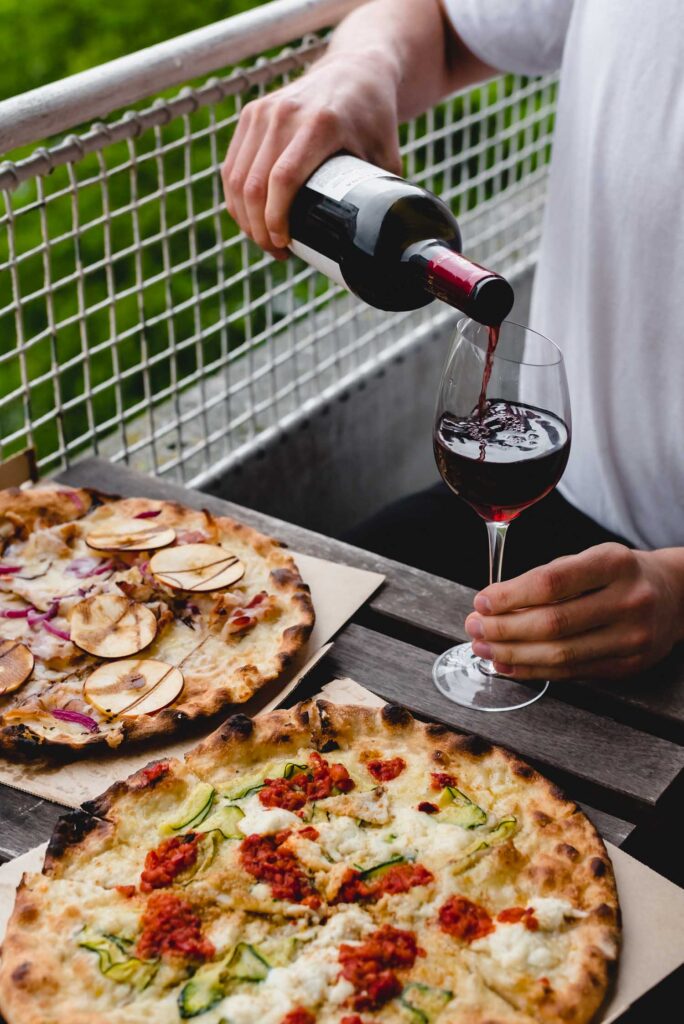
I want to tell you about a conversation I had recently with a guest at MaMeMi. She had been coming to us for months, always letting my cousin Danilo pick her wine. She trusted him completely, which is the smartest thing you can do when you have a certified sommelier who has personally visited hundreds […]
How to Find the Best Pizza in Copenhagen
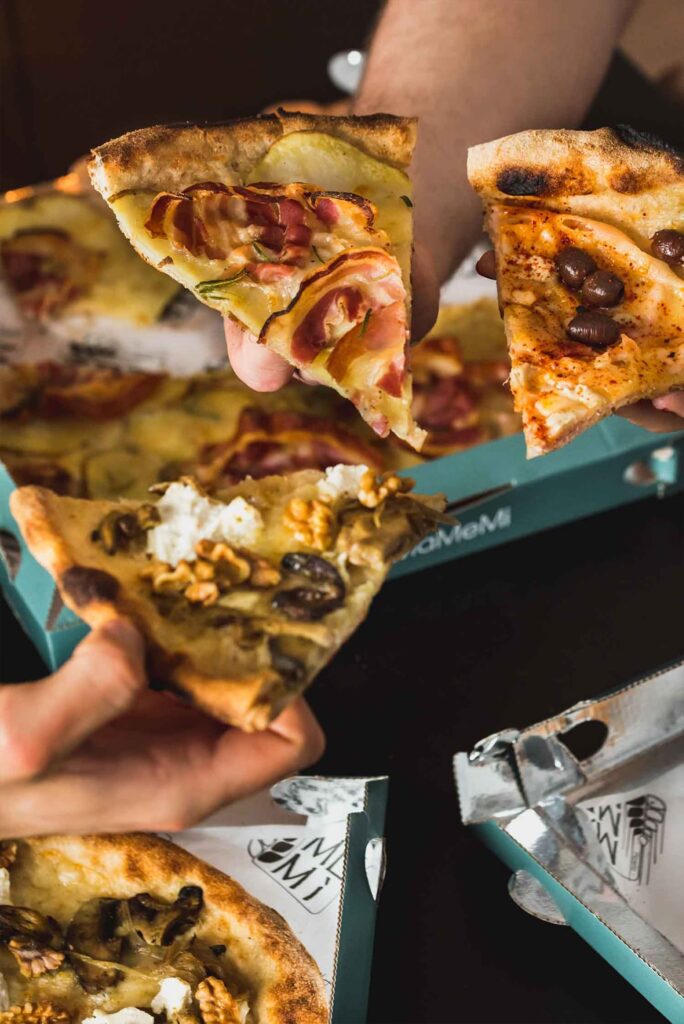
People ask me this question all the time. And I mean all the time. Friends, customers, people who find out I run a pizzeria and immediately want to know if we are actually good or just say we are good. So let me be straight with you. I am going to tell you exactly what […]
Pizza on Vesterbro: 7 Things Every Visitor Should Know

If you are visiting Copenhagen and someone tells you to head to Vesterbro for pizza, they are giving you good advice. Trust them. Vesterbro is not just one of Copenhagen’s most exciting neighborhoods. It is the neighborhood where I chose to open MaMeMi, and where my cousins and I have been making authentic Roman-style pizza […]
What Makes Roman Style Pizza Unique? 5 Techniques from Rome
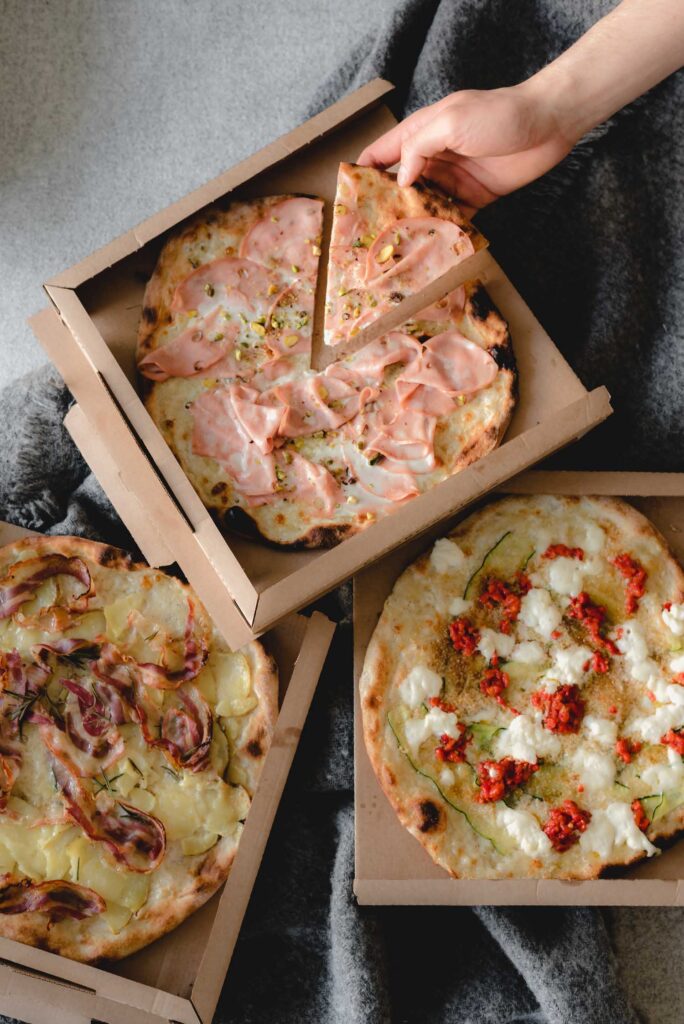
People often ask me what the difference is between Roman pizza and other styles. And I always say the same thing. Come to MaMeMi. Take one bite. You will understand immediately. But if you want the longer answer, the one that explains why our pizza tastes and feels the way it does, then let me […]
Italian Pizza Styles: A Regional Guide to 8 Varieties

Most people think pizza is pizza. You order it, it arrives, you eat it. Tomato, cheese, maybe some toppings. Done. If you have only ever eaten pizza outside of Italy, I understand why you think this. Most countries serve one style, maybe two, and call it Italian. But Italy is not like that. Italy is […]
Italian Ingredients: What Is Guanciale, Pecorino and ‘Nduja?
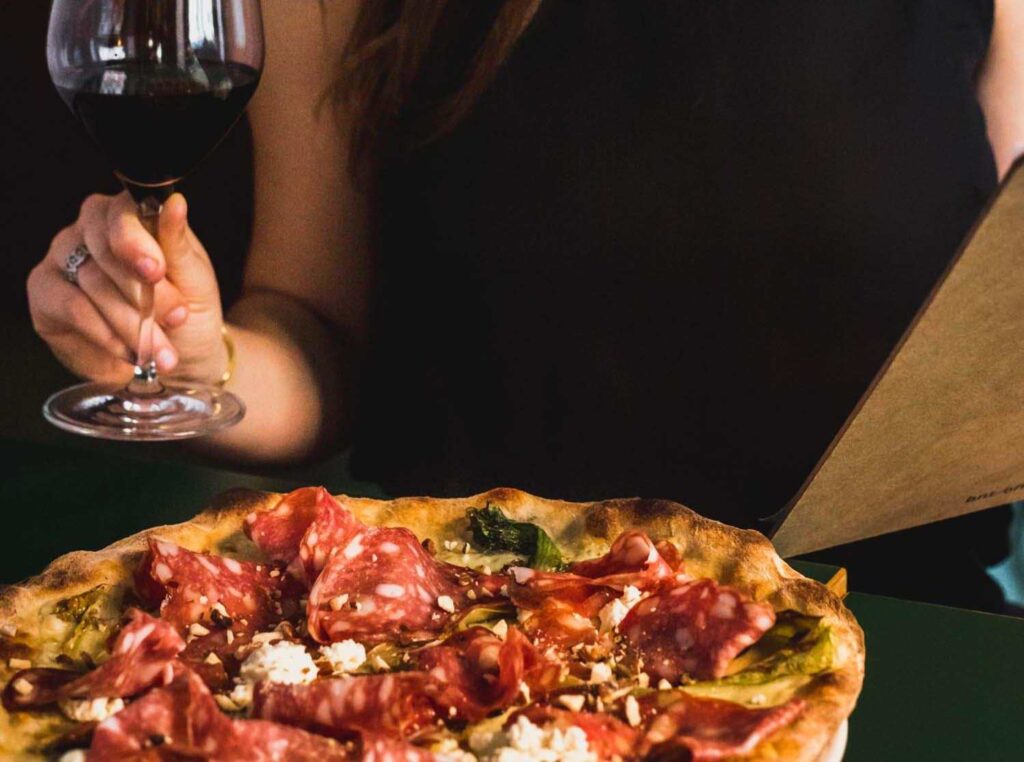
There is a moment that happens quite often at MaMeMi. Someone is reading the menu, tilts their head slightly, and quietly asks their friend, “What is guanciale?” Or they see ‘nduja and have absolutely no idea how to pronounce it, let alone what it tastes like. I love this moment. It means someone is about […]
Which Pizza Should I Order? A Guide to Italian Classics
This is one of my favorite questions to answer. Not just because I love talking about pizza, which I absolutely do, but because the answer tells you a lot about Italian food and the person asking. When someone sits down at MaMeMi and genuinely does not know what to order, I do not just point […]
Can You Get Hawaiian Pizza in Italy?
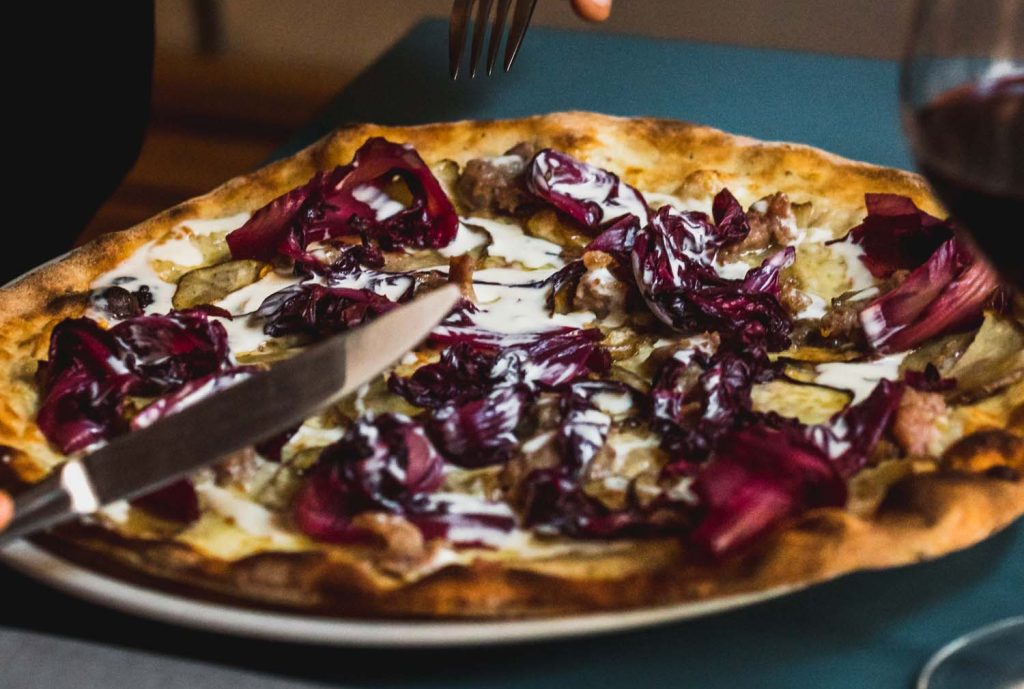
Alright, let me tell you something. This question makes me laugh every single time.
The short answer? No, you probably cannot walk into a random pizzeria in Italy and order Hawaiian pizza. And honestly, if you try, you might get some interesting looks.
But the long answer? That is way more complicated and actually pretty fascinating. Let me explain from the perspective of someone who grew up in Italy and now makes pizza every day here in Copenhagen.